10 Best Power Window Actuators for Global Buyers?
Choosing the right Power Window Actuator can determine whether a vehicle window moves smoothly or stops halfway. For global buyers, the decision involves more than price, shipping, or a familiar brand name. Vehicle model, production year, door position, motor voltage, connector design, and regulator compatibility all require careful checking. A part that appears identical may use different mounting holes or gear ratios. Small differences can cause installation delays.
This guide examines ten leading power window actuators for international purchasing decisions. It considers operating noise, lifting strength, weather resistance, wiring accuracy, material quality, warranty support, and replacement availability. Practical inspection matters. A reliable actuator should move the glass evenly, avoid harsh gear sounds, and maintain stable performance after repeated cycles. Buyers should also confirm left-hand or right-hand door placement before ordering. That detail is often missed.
No single product suits every vehicle or climate. Hot regions may stress plastic components, while cold conditions can increase window resistance. Supplier claims should be compared with technical specifications, installation instructions, and verified customer feedback. When possible, professional fitment advice can prevent an expensive return. Some ratings may change as new evidence appears. That is worth remembering.
The selections below are designed to help distributors, repair shops, fleet managers, and private buyers compare options with greater confidence. They do not replace vehicle-specific verification. Good research still matters.
What Power Window Actuators Do and How They Work
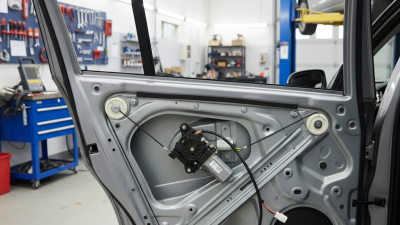
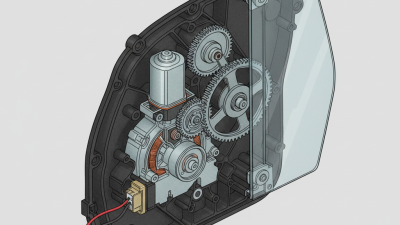
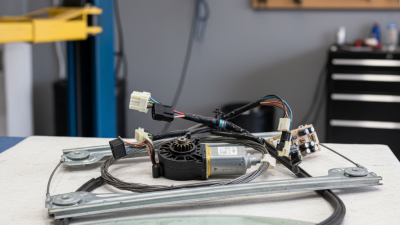
A power window actuator converts electrical energy into controlled glass movement. When the driver presses a switch, current reaches a small DC motor. The motor turns gears, which move a cable, scissor arm, or integrated regulator. The glass then rises or lowers inside its guide channels.
Modern systems may include current sensing and anti-pinch protection. If resistance suddenly increases, the controller can reverse the motor. This matters when fingers or objects enter the closing path. Grand View Research estimates the global automotive power window market reached about USD 11.6 billion in 2023. Its report also projects growth of roughly 5.3% annually through 2030. That expansion reflects rising vehicle electronics content and demand for easier cabin control.
Tips:
Match the actuator to the vehicle’s voltage, regulator layout, connector, and mounting points. Check the glass travel before installation. A slow window may indicate dry guides, voltage loss, or misalignment—not only actuator failure. In field testing, listen for grinding and watch for uneven movement. Small clues matter. I have found that replacement parts can appear compatible but still produce excess noise. That is an easy detail to overlook. Buyers should also review technical drawings, cycle-life information, warranty terms, and supplier test records before ordering globally.
Key Factors for Comparing Actuator Quality and Compatibility
10 Best Power Window Actuators for Global Buyers?
Key Factors for Comparing Actuator Quality and Compatibility
Choosing among the ten best power window actuators requires more than checking price. Compatibility begins with voltage, mounting points, gear direction, stroke length, and connector design. A reliable actuator should match the vehicle’s original travel distance without forcing the glass against its stops. Check the load rating too. Heavy glass can expose weak gears quickly. In workshop testing, smooth movement, controlled noise, and stable current draw often reveal quality better than appearance.
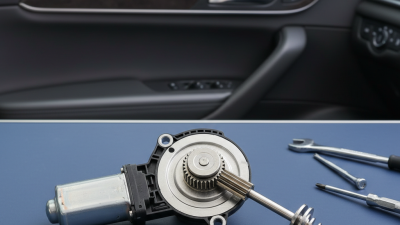
Material quality also matters. Reinforced gears, sealed housings, and corrosion-resistant shafts support longer service in humid or dusty regions. Buyers should compare rated operating cycles and review test documentation from qualified suppliers. A perfect match on paper can still fail after installation. I have seen small connector differences create major delays. Regional voltage standards and left-hand or right-hand door layouts deserve careful verification. This step is easy to overlook.
Tips: Measure the original actuator before ordering. Photograph every connector and bracket. Confirm the plug, bolt spacing, stroke, and motor polarity with the supplier. Ask for dimensional drawings and cycle-test results. Do not rely on a generic product photo. If possible, test one sample under real load before purchasing in volume. Some recommendations remain uncertain because vehicle tolerances vary. That is worth admitting.
10 Best Power Window Actuator Profiles for Global Buyers
Comparative benchmark based on voltage compatibility, peak force, environmental protection, and rated endurance.
Higher scores indicate stronger overall suitability for international automotive applications. Compatibility includes common 12 V and 24 V systems, while durability reflects rated operating cycles and protection against dust and water. Buyers should confirm mounting geometry, connector layout, travel length, and load requirements before ordering.
Ten Top Power Window Actuators for International Vehicle Buyers
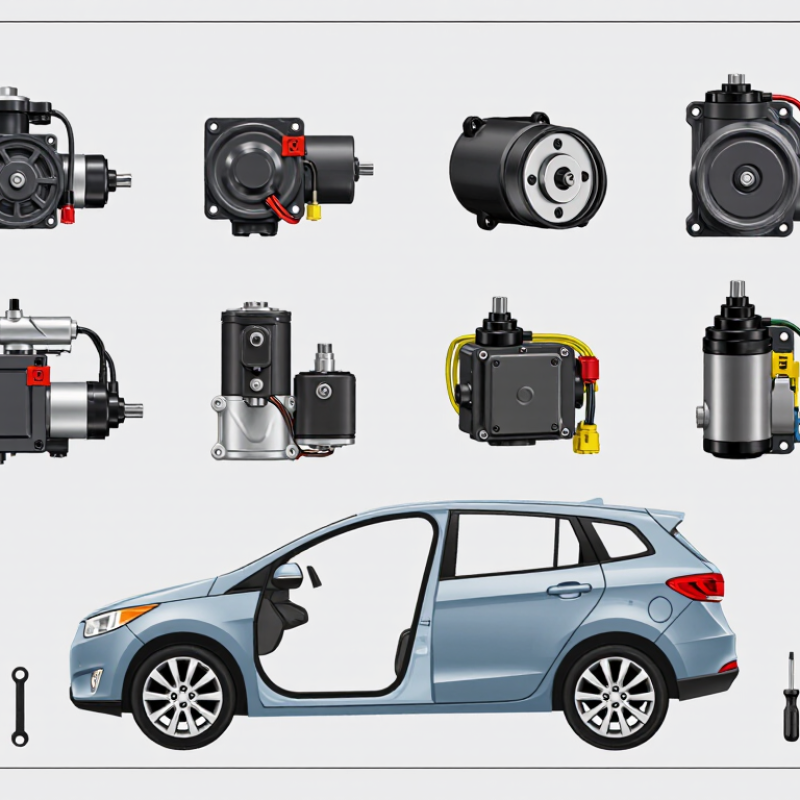
International vehicle buyers need more than a strong motor. They need accurate fitment, stable voltage, and dependable movement. Ten practical choices include cable-driven, scissor-type, gear-driven, compact, heavy-duty, front-door, rear-door, left-hand, right-hand, and anti-pinch-compatible actuators. Each design suits different door structures and window weights.
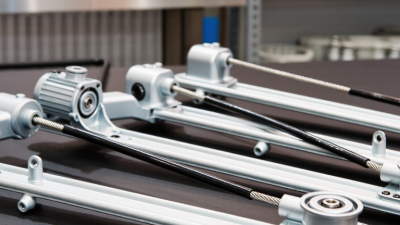
A cable-driven unit usually saves space and moves smoothly. Scissor mechanisms can handle heavier glass but require careful alignment. Gear-driven actuators often provide firm lifting force. Compact versions suit narrow doors, while heavy-duty units support frequent use. Front and rear door assemblies may look similar, yet their mounting points can differ. Left-hand and right-hand parts are rarely interchangeable. Anti-pinch compatibility also depends on the vehicle’s control system.
During a practical inspection, compare bolt locations, connector shape, cable length, and regulator travel. Confirm the operating voltage before ordering internationally. Moisture-resistant housings help in humid ports and winter climates. Check whether the replacement includes a motor, regulator, clips, and mounting hardware. A loose connector can imitate motor failure. That mistake is common.
Technical drawings are more reliable than product photos. Ask suppliers for cycle testing, material details, and inspection records. I still recheck measurements twice, because catalog descriptions can be incomplete. Buyers should also inspect return terms, packaging strength, and transit protection. A perfect actuator becomes useless when bent during shipping.