

News


The Core Components of a Modern Power Window Regulator
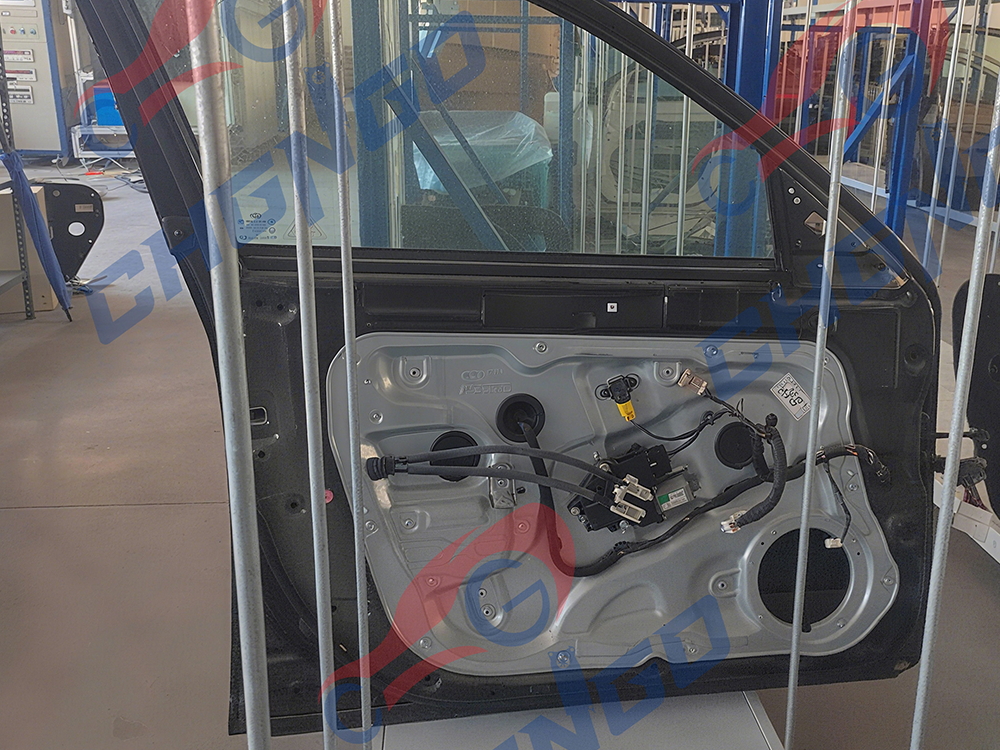
The power window regulator is a precise electromechanical system that seamlessly translates the rotation of an electric motor into the vertical movement of your car window. At the heart of this mechanism are three critical components working in harmony: the motor slot, the plastic slider, and the spiral spring.
The process begins with the motor slot, a key interface on the motor's output gear. As the motor activates, this slot engages and drives the regulator mechanism. Its precise dimensions are crucial for transferring torque accurately and efficiently to lift the heavy glass.
Connected to this system is the plastic slider, a component often mounted on the glass itself. This slider, typically made from durable, low-friction engineering plastics like nylon or POM, travels along a channel or guide rail. Its primary role is to ensure the window moves smoothly and quietly, without the jarring noise and wear that metal-on-metal contact would cause, while also supporting the weight of the glass.
Working in tandem with these parts is the spiral spring, a flat coil spring located within the regulator assembly. This spring is not for driving the window up, but for counterbalancing the weight of the glass as it is lowered. It stores energy when the window is raised and releases it during descent. This crucial function reduces the load on the motor, minimizes wear on all components, and ensures controlled, rattle-free operation for the lifetime of the vehicle.
Together, the motor slot, plastic slider, and spiral spring form a robust and efficient system, delivering the reliable performance we expect from our power windows every day.