Request a Quote
ma
Leave Your Message

Why Is My Door Window Motor Not Working?

Why Is My Door Window Motor Not Working? This question often appears after a window stops halfway, clicks inside the door, or remains frozen beside the glass. The failure may seem simple, but several parts can create the same symptom. A blown fuse, damaged switch, loose connector, broken regulator, or worn Door Window Motor may be responsible. The glass can also bind against the channel, making a healthy motor sound weak.

Eric Cook, better known as EricTheCarGuy, has often emphasized, “Diagnose the problem before replacing parts.” That advice matters here. Replacing a motor without testing voltage can waste money and leave the real fault untouched. A technician should listen carefully, inspect the fuse, and check power at the motor connector. A test light or multimeter can reveal whether electricity reaches the door. No sound usually suggests an electrical issue. A clicking sound may point toward a damaged regulator or stripped gear.

This guide explains the practical checks behind a reliable diagnosis. You will see what to inspect when one window fails, when every window stops working, and when the glass moves slowly. Small details matter, including a loose ground wire under the door trim. I have also learned that first impressions can mislead me. A silent motor is not always a dead motor. Sometimes, the switch fails. Sometimes, the glass is simply stuck. Careful testing remains safer than guessing.

Why Is My Door Window Motor Not Working?

What a Door Window Motor Does and How It Operates

Why Is My Door Window Motor Not Working?

What a Door Window Motor Does and How It Operates

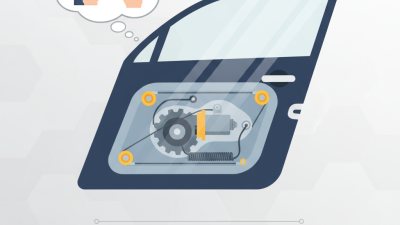
A door window motor converts electrical energy into movement. When you press the window switch, current travels through wiring to the motor. Inside, small gears turn a window regulator, which raises or lowers the glass along its guide channels. Some systems also use an anti-pinch sensor. It stops the glass when resistance suddenly increases.

A failed window does not always mean the motor is defective. I have seen silent windows caused by a blown fuse, damaged wiring, or a worn switch. A clicking sound may indicate stripped gears or a regulator problem. Slow movement often points to dry channels, weak electrical power, or a motor nearing failure. My first assumption has occasionally been wrong, so testing voltage at the motor is important. Check whether the glass moves from another switch, if available. That small clue can prevent an unnecessary replacement.

Tips: Listen carefully before removing the door panel. A humming motor suggests it receives power but cannot move the regulator. Inspect loose connectors and broken wires near the door hinge. Keep fingers away from the glass and moving parts during testing. If the motor works only after tapping the panel, treat that as a warning, not a repair. Door mechanisms can fail suddenly.

Signs That Your Door Window Motor Is Failing

A failing door window motor often reveals itself through slow, uneven movement. The glass may pause halfway, then continue after you release the switch. It might also work only intermittently. Listen for grinding, clicking, or a weak humming sound inside the door. Silence can indicate a failed motor, damaged wiring, or a faulty switch.

A window that moves down but not up needs careful testing. The motor may be worn, but the switch or regulator could cause the same symptom. Check whether the other window controls work normally. If one switch operates the glass and another does not, the switch deserves inspection. A technician can test voltage at the motor while pressing the control. Power reaching the motor usually points toward motor or regulator trouble.

I once saw a slow window blamed on the motor, although dry regulator tracks caused the resistance. That mistake matters. Extra strain can overheat a healthy motor. If the glass tilts, drops, or rattles, stop using the switch. The regulator may be damaged and unable to support the glass safely. Avoid forcing the window by hand. Record when the fault happens, especially during cold mornings or after rain, because those details can reveal loose connections or moisture-related problems.

Why Is My Door Window Motor Not Working? - Signs That Your Door Window Motor Is Failing

Observed Symptom Most Likely Cause Useful Check What the Result Suggests Recommended Action
The window is completely silent and does not move. Blown fuse, faulty window switch, broken wiring, or failed motor. Check whether other power windows work and inspect the related fuse. If all windows are inoperative, suspect a shared power supply or fuse. If only one window fails, suspect that door's switch, wiring, regulator, or motor. Test the circuit before replacing the motor. Replace a fuse only with the specified rating.
A clicking, buzzing, or humming sound is heard, but the glass does not move. Worn motor gears, a jammed regulator, or detached window hardware. Listen closely while operating the switch and observe whether the glass tilts or moves slightly. Motor noise with no glass movement often indicates a regulator or gear problem rather than a total loss of electrical power. Stop repeated operation to avoid overheating the motor. Inspect the regulator and mounting points.
The window moves slowly, intermittently, or stops partway. A worn motor, binding regulator, dirty window channel, low voltage, or poor electrical connection. Check for uneven glass movement, damaged weatherstripping, loose connectors, and corrosion. Slow operation can be caused by mechanical resistance or voltage loss; it does not confirm a failed motor by itself. Clean and inspect the channels, verify the wiring, and measure voltage at the motor while the switch is pressed.
The window works from one switch but not from another. Faulty door switch, driver control switch, or wiring between the switches. Test the window from both the individual door switch and the main control switch. Operation from one switch indicates that the motor and at least part of the circuit can function. Diagnose the inoperative switch and its wiring before considering motor replacement.
The window works only when the door is moved or slammed. Loose connector, damaged wire in the door-jamb harness, or poor ground connection. Gently move the door while operating the switch and inspect the flexible wiring boot. A change in operation with door movement strongly points to an intermittent connection. Repair damaged wiring or terminals and secure the harness so it cannot be pinched.
The window drops into the door or will not stay raised. Broken regulator cable, failed clip, detached glass, or damaged mounting hardware. Do not force the switch; check whether the glass is loose or visibly tilted. A window that falls or cannot remain in position usually has a mechanical support failure. Secure the glass temporarily if necessary and repair the regulator or mounting hardware promptly.
The motor becomes hot or stops after repeated attempts. Motor overload caused by a jammed regulator, tight window channel, or internal motor wear. Allow the motor to cool and check whether the glass or mechanism is obstructed. Thermal protection may temporarily interrupt operation; repeated overheating can damage the motor. Avoid repeated cycling and correct the mechanical binding before installing another motor.
The window moves in the opposite direction or responds unpredictably. Incorrect wiring, faulty switch contacts, or a control-module issue. Check recent door repairs, connector placement, and switch wiring. Reversed polarity or inconsistent commands suggest a control-circuit problem rather than normal motor wear. Compare wiring with the vehicle's service information and repair the circuit before replacing components.
The motor receives power but does not operate. Failed motor, seized motor armature, or poor ground under load. Use a suitable meter or test light to verify power and ground at the motor while pressing the switch. Correct power and ground at the motor with no operation is strong evidence of a failed motor. Replace the motor or the motor-regulator assembly, depending on the vehicle's design and part condition.
The window problem began after water entered the door. Corroded connectors, moisture-damaged switch contacts, or a contaminated motor. Inspect connectors, drain openings, vapor barriers, and the lower portion of the door. Moisture-related faults may be intermittent and can worsen through corrosion. Dry and repair affected connections, restore water sealing, and confirm that door drains are clear.
Safety Note: Disconnect the vehicle battery when removing the door panel if the door contains an airbag or other electrical safety equipment. Support the glass securely before loosening the regulator.

Common Reasons a Door Window Motor Stops Working

Why Is My Door Window Motor Not Working?

A door window motor can stop because of a blown fuse, damaged wiring, or a worn switch. Sometimes the motor works but cannot move the glass. Listen carefully when pressing the window button. A faint hum often means the motor receives power, while complete silence may suggest a switch, fuse, or circuit problem. Check the other windows too. If they also fail, the vehicle’s power supply may be involved.

A jammed window regulator is another common cause. The glass may tilt, move slowly, or drop inside the door. Dirt, hardened lubricant, and loose mounting clips can increase resistance. I have seen a motor sound healthy while the regulator was bent. That diagnosis can be easy to miss. Do not keep holding the switch, because overheating may damage a working motor.

Moisture inside the door can corrode connectors and interrupt current flow. Inspect the wiring near the door hinge for cracked insulation or stretched sections. Use a multimeter to test voltage at the motor connector, not just at the fuse. A voltage reading with no motor movement usually points toward motor failure or a seized regulator. No voltage requires further circuit testing. Disconnect the battery before removing trim panels, and support the glass securely. Door mechanisms can release suddenly. If the results remain unclear, a qualified technician should inspect the circuit and regulator rather than replacing parts by guesswork.

How to Diagnose a Faulty Door Window Motor Step by Step

When a door window motor stops, do not replace it immediately. The fault may be simpler. A blown fuse, damaged switch, loose connector, or broken wire can cause the same symptom. Park safely, switch off the ignition, and keep fingers clear of the glass and regulator.

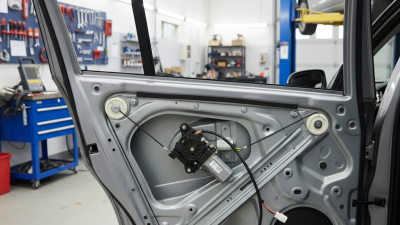
Test the window switch if the vehicle allows another control method. If one window fails, listen closely while pressing the switch. A quiet door suggests lost power, while a click or hum may indicate a jammed regulator or worn motor. Remove the door panel carefully, following the vehicle’s service instructions. Inspect for water, burnt terminals, pinched wires, and cracked plastic guides. Check the fuse with a meter, not only by sight. That small detail matters. Then measure voltage at the motor connector while operating the switch. Power reaching the motor but producing no movement strongly indicates motor failure. No power points toward the switch, wiring, fuse, or control circuit.

Support the glass before loosening the regulator. It can drop suddenly. A slow motor may face excessive resistance, dry guides, weak wiring, or a failing regulator. Use only lubricant approved for window mechanisms; random grease can attract grit. If readings change when the door moves, inspect the hinge-area wiring for internal breaks. Diagnosis is rarely perfectly tidy. Recheck ground connections, because a poor ground can imitate a dead motor. If the panel contains an airbag, follow the prescribed safety procedure or consult a qualified technician.

Use a digital multimeter to compare these typical reference readings. A healthy 12-volt system should provide stable battery voltage, adequate power with the ignition on, and sufficient voltage at the window motor while the switch is pressed. If power reaches the motor but the window does not move, the motor or its mechanical linkage may be faulty. Always verify exact specifications in the vehicle service manual.

Repair or Replacement Options for a Nonworking Window Motor

Why Is My Door Window Motor Not Working?

Repair or Replacement Options for a Nonworking Window Motor

A dead window motor does not always mean immediate replacement. I usually test the fuse, switch, wiring, and door connector first. A silent window may have a failed motor, but a damaged switch can create the same symptom. Listen closely. A clicking sound often suggests power reaches the motor. A completely silent door needs electrical testing with a meter.

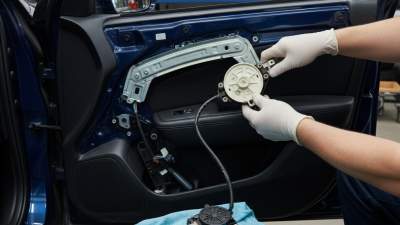
Some motors can be repaired when brushes, terminals, or wiring have failed. However, internal repairs may not last if the motor has overheated. The window regulator can also bend, jam, or separate from its cable. In that case, replacing the complete motor and regulator assembly is often safer. Disconnect the battery before removing the door panel. Support the glass carefully with tape or a suitable brace. It can drop without warning.

Replacement quality depends on correct fit, connector design, and smooth operation. Before installation, inspect the glass tracks for dirt or hardened lubricant. A new motor can struggle against excessive resistance. I have seen technicians replace a motor too quickly, then discover a twisted regulator. That mistake costs time and money. In hindsight, testing voltage under load would have provided better evidence. After repair, operate the window several times and check for unusual noise, slow movement, or uneven travel. Only then should the door panel return to its position.