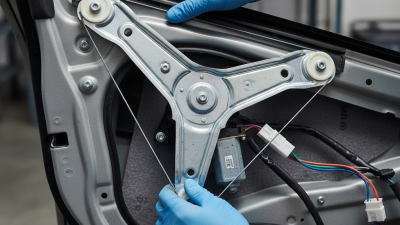
What is Power Window Assembly and How Does it Work?
The Power Window Assembly is a crucial component in modern vehicles, offering convenience and ease of use. This system allows drivers and passengers to control window operation with just the push of a button. Unlike manual window cranks, power windows have transformed daily driving experiences. However, despite their advantages, many people overlook how they function.
The assembly comprises several parts, including a motor, regulator, and switch. Each piece plays a role in raising and lowering the window. When you press the switch, electricity flows to the motor, which then moves the window. It's fascinating to consider how something so simple enhances vehicle usability. Yet, these systems can fail, leading to frustration and inconvenience.
Understanding the Power Window Assembly is essential for car maintenance. Regular checks can help prevent breakdowns. It's easy to take this technology for granted, but it illustrates the balance between innovation and complexity in automotive design. Exploring its mechanics allows us to appreciate everyday technologies.
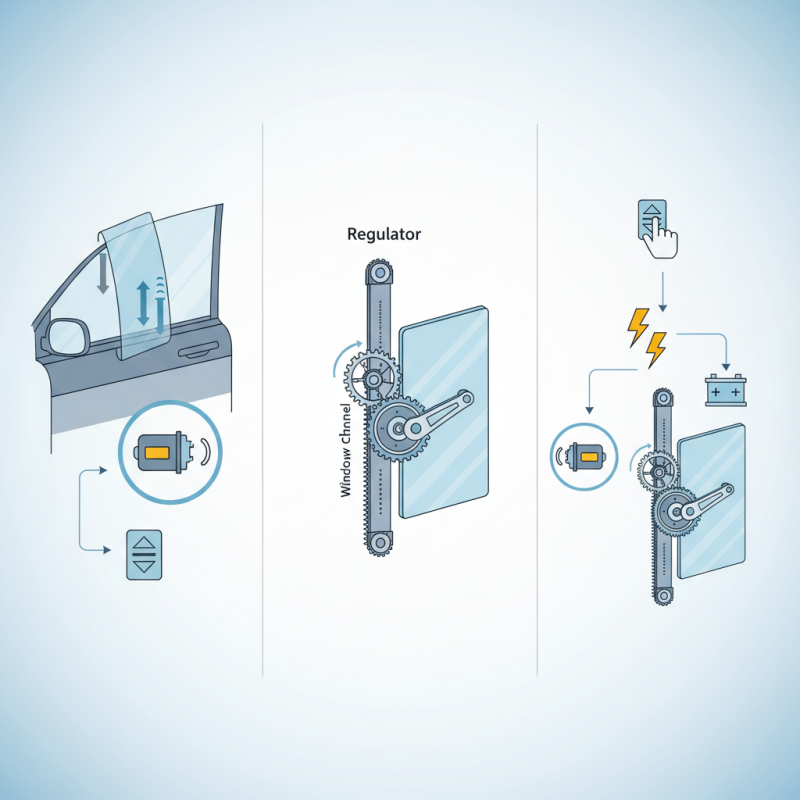
What is Power Window Assembly?
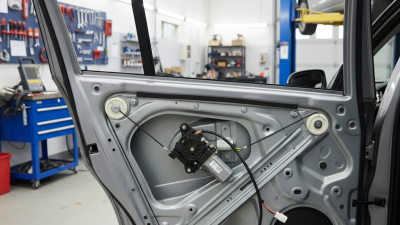
Power window assembly is a vital component in modern vehicles. This system allows drivers and passengers to open and close windows with the push of a button. It includes several parts such as the window motor, regulator, and control switch. Understanding how these components work together can help you maintain this feature effectively.
One useful tip for car owners is to regularly check the window's operation. If the window moves slowly or makes unusual noises, there may be an issue with the motor or regulator. Proper care can prevent costly repairs down the line. Additionally, keeping the window tracks clean can enhance performance. Accumulated dirt can obstruct movement, leading to potential damage.
Another aspect to consider is the electrical connections involved. A loose wiring connection can cause intermittent window function. Ensure that connections are secure and free from corrosion. If you notice persistent problems, consulting a professional can provide a reliable diagnosis. Regular inspections can help catch issues early, ensuring your power windows work smoothly and safely.
Components of a Power Window Assembly
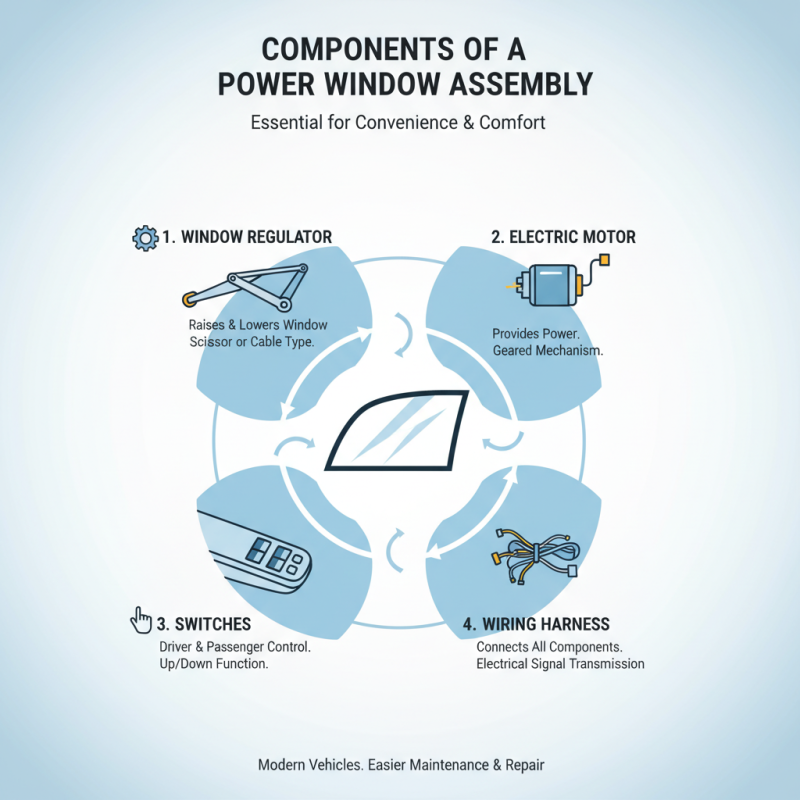
Power window assemblies have become essential in modern vehicles, enhancing convenience and comfort for both drivers and passengers. Understanding the components of a power window assembly is vital for maintenance and repair. The primary components include the window regulator, electric motor, switches, and wiring harness. Each part plays a critical role in the overall function of the assembly.
The window regulator is responsible for moving the window up and down. It can be a scissor-type or cable-driven mechanism, impacting the window's operation. A report by the Automotive Engineering Society notes that around 70% of power window failures are linked to faulty regulators. The electric motor powers this mechanism, converting electrical energy into mechanical motion. Ensuring the motor is of high quality is crucial, as it can affect the system's longevity.
Switches and wiring harnesses may seem minor but are equally important. They allow the driver and passengers to control the window. Poor connections or damaged wires can lead to unreliable operation. Statistics indicate that electrical issues account for 60% of power window problems. Regular checks can prevent unexpected failures and enhance safety and reliability. Understanding these components can empower vehicle owners to make informed decisions about maintenance and repairs.
How Power Window Mechanism Works
Power window assemblies are crucial components in modern vehicles, allowing drivers and passengers to control window movement with ease. Understanding how the power window mechanism works can enhance your knowledge of automotive systems. This mechanism typically comprises a switch, a small motor, and a regulator. When you press the switch, it sends a signal to the motor, which then moves the regulator to raise or lower the window.
The entire process occurs rapidly. The motor transforms electrical energy into mechanical energy, driving the regulator. The regulator connects to the window, guiding its movement in channels. If the mechanism jams, it can slow down the motor. This issue may require a careful inspection of the components.
Tips: Regularly check your power windows for smooth operation. Listen for unusual noises when you use the windows. If you hear grinding or clicking sounds, it might signal a problem.
Improper usage can lead to window failure. For example, forcing a window when it’s already fully closed can damage the motor. Watch for signs of wear and tear on the window tracks. Keep them clean and free of debris to maintain optimal performance. Over time, neglecting these details may lead to more extensive and costly repairs.
Power Window Assembly Efficiency Analysis
This chart represents various aspects of the power window assembly process. The data includes motor power consumption, window weight, assembly time, and failure rate, illustrating how these factors interrelate in the efficiency of power window systems.
Types of Power Window Systems
Power window systems are essential components in modern automobiles. They provide convenience and ease of use for passengers. There are key types of power window systems commonly found in vehicles today.
The first type is the single switch system. It allows the driver to control all windows from one central location. This system offers a straightforward way to manage window functions efficiently. However, it can create challenges if the switch malfunctions. Another type is the individual switch system, where each window has its own switch. This design offers more control but can complicate use for passengers in the back seat.
Lastly, we have the one-touch window system. This allows users to open or close a window with a single press. It’s a favorite for many, but it can lead to sudden stops if passengers are not careful. Each type has its pros and cons, highlighting the importance of user experience in designing these systems. Understanding these systems can improve overall satisfaction with vehicle features.
What is Power Window Assembly and How Does it Work? - Types of Power Window Systems
| Type of Power Window System |
Mechanism |
Control Method |
Common Applications |
| Single Motor System |
Uses one motor to operate all windows |
Switch on driver side |
Economy vehicles |
| Dual Motor System |
Individual motor for each window |
Switch for each window |
Mid-range vehicles |
| Global System |
One switch controls all windows |
Central control unit |
Luxury vehicles |
| Smart Window System |
Integrated with sensors and automation |
Touch or voice command |
High-end vehicles |
Common Issues and Troubleshooting Steps
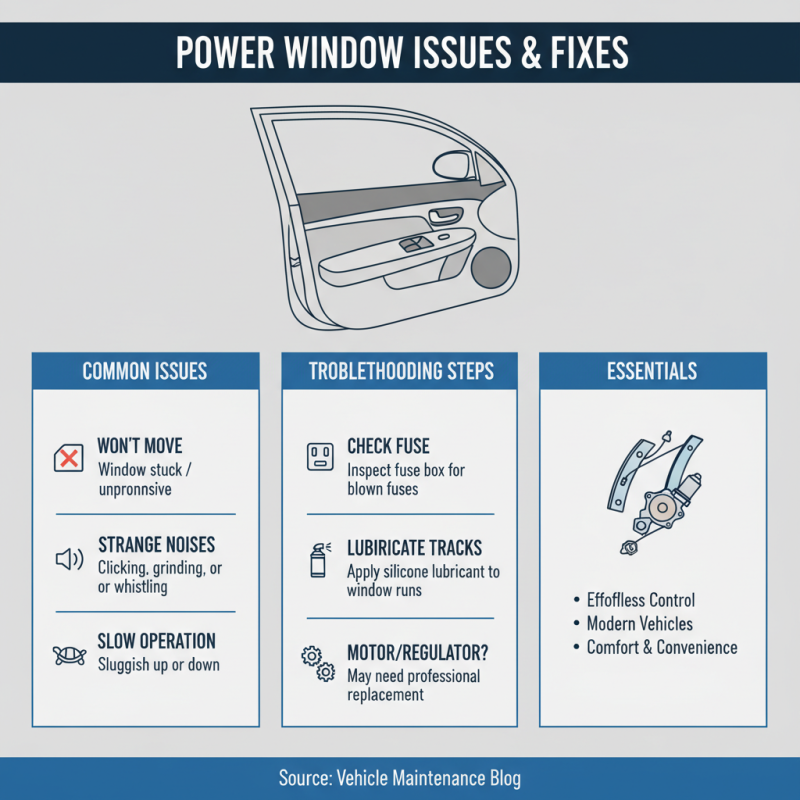
Power window assemblies are essential for modern vehicles, allowing passengers to effortlessly control their windows. Despite their convenience, these systems can experience issues over time. Drivers often face problems such as windows that refuse to open or close, unusual noises, or slow movement.
Common issues usually stem from electrical faults, faulty switches, or malfunctioning motors. If a window suddenly stops working, it is wise to check the fuse first. A blown fuse can disrupt the entire power window circuit. If the fuse is intact, the next step involves examining the switch. Sometimes, dirt or moisture can interfere with its operation.
Testing the window motor is another important step. You can do this by applying direct power to the motor. If it works, the problem lies elsewhere. Always listen for noises when operating the window; grinding or rattling sounds may indicate mechanical failure. Remember, it’s essential to maintain your power window assembly to ensure longevity and optimal performance. Regular inspections can prevent minor issues from escalating.