What is a Power Window Actuator and How Does It Work?
The power window actuator is a vital component in modern vehicles. This device controls the movement of the power windows, allowing occupants to easily open or close them at the touch of a button. Its operation is based on electric motors and systems designed to provide a smooth and efficient window motion. Understanding how a power window actuator functions can help you appreciate the engineering behind everyday conveniences in cars.
These actuators rely on electrical signals from the vehicle's window switch. When pressed, these signals activate the motor within the actuator. This motor then moves the window up or down through a series of gears and cables. Despite their reliability, power window actuators can fail over time due to wear, heat, or electrical issues. Recognizing the symptoms of a malfunctioning actuator can assist car owners in maintaining their vehicles effectively.
While power window actuators are generally robust, they are not immune to problems. In some cases, drivers may notice slower window movement or grinding noises, indicating an issue. Regular maintenance and timely repairs are crucial to prevent complete failure. Understanding these aspects can enhance your car ownership experience and ensure your windows function seamlessly.
What is a Power Window Actuator?
A power window actuator is a vital component in modern vehicles, enabling the smooth operation of power windows. This device is typically an electric motor driven by a switch. When the driver or passenger presses the button, electrical signals activate the motor, which moves the window up or down. According to a report from IC Bus, the global automotive window regulator market is expected to reach approximately $1.5 billion by 2027, indicating the growing importance and reliance on such technologies.
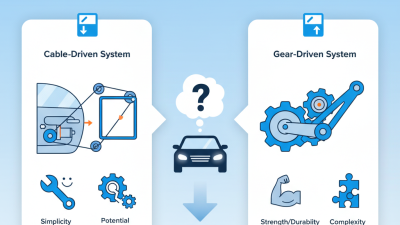
These actuators can vary in design, but most utilize either a cable system or a gear mechanism to control window movement. The durability and reliability of power window actuators directly affect passenger comfort. In fact, the National Highway Traffic Safety Administration has found that defective window controls can lead to safety hazards. Regular inspections help ensure these components are functioning properly, enhancing overall vehicle safety.
**Tips:** Check your window's response time. A laggy actuator may indicate wear and tear. Listen for unusual noises when operating the window; this could signal potential failure. Remember, maintaining the actuator helps prevent large repair costs down the road. Monitoring window operation ensures both functionality and safety in your vehicle.
Power Window Actuator Performance Overview
This chart displays the response time of different types of power window actuators. Lower response times indicate better performance in window operation.
Components of a Power Window Actuator
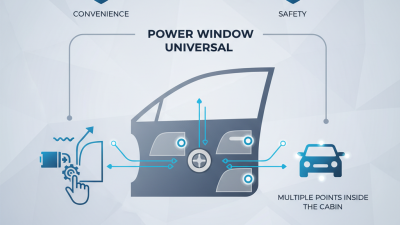
A power window actuator is a crucial component in modern vehicles. It is responsible for raising and lowering the vehicle's windows. The actuator operates with a simple mechanism that includes several key components. These parts work together to offer convenience and enhance safety while driving.
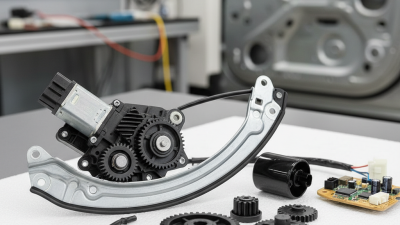
One main part of the actuator is the motor. This electrical motor converts electrical energy into mechanical energy. It typically connects to a gear system, which amplifies the motor's rotation. Another essential component is the window regulator. This is the device that actually moves the window up and down. The regulator can be of different types, including cable-driven or scissor-type mechanisms.
Additionally, the actuator system includes wiring harnesses and control switches. They help transmit signals from the driver's control to the actuator. There are moments when these components might fail. Over time, wear and tear can lead to malfunction. Drivers may need to troubleshoot or replace parts. Understanding these components offers insight into maintaining the power window system effectively. Each piece plays a role in a seamless user experience, despite the potential for complications.
How Does a Power Window Actuator Work?
A power window actuator is a critical component of modern vehicles. This device allows drivers and passengers to conveniently open or close windows with the push of a button. Understanding its operation is essential for vehicle maintenance and troubleshooting.
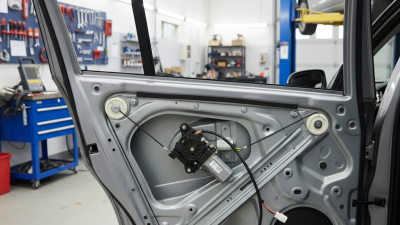
Power window actuators are typically electric motors that connect to the window regulator. When you press the window switch, electricity flows to the actuator. This process activates the motor, causing it to rotate. The motor's movement translates into the rod or cable, which moves the window up or down. It’s fascinating how a simple push can initiate multiple mechanical actions.
Tips: Regularly check window functionality. This simple check can prevent larger issues later. If a window struggles to move, consider inspecting the actuator. A little maintenance goes a long way.
Sometimes, actuators fail. This failure might stem from wear and tear or electrical issues. If the window won’t respond, ensure that the fuse is intact. Additionally, look for loose wires. These small details matter in diagnosing the problem effectively. Remember, it’s okay to seek help from a professional. They can provide the right insights based on their experience.
Common Issues with Power Window Actuators
Power window actuators are vital components in modern vehicles, allowing for the convenient operation of windows with just a button. However, they are prone to several common issues that can hinder their functionality. According to industry reports, around 20% of power window-related complaints stem from actuator failures. One prevalent problem is noise during operation, which may indicate wear or malfunctioning gears within the actuator.
Another significant issue is unresponsiveness. Drivers often experience windows that refuse to open or close. Research suggests that about 30% of these issues are caused by electrical faults, including blown fuses or poor wiring connections. These failures can lead to frustration, especially when drivers depend on their windows for ventilation or safety. Regular maintenance is crucial, as neglecting signs of wear can escalate minor issues into costly repairs.
Additionally, environmental factors contribute to actuator problems. Extreme temperatures can affect the lubricant inside the actuator, causing it to become sticky. This condition may lead to increased strain on the motor, shortening its lifespan. Awareness of these common issues can aid vehicle owners in taking proactive steps to maintain proper functionality.
What is a Power Window Actuator and How Does It Work? - Common Issues with Power Window Actuators
| Aspect |
Details |
| Definition |
A power window actuator is the motor responsible for raising and lowering vehicle windows electronically. |
| Function |
It operates via a switch that typically activates the motor which moves the window up or down. |
| Common Issues |
1. Malfunctioning switch
2. Faulty motor
3. Broken gears or cables
4. Electrical issues (fuses, wiring) |
| Signs of Failure |
Window does not move, noises during operation, delays in response. |
| Maintenance Tips |
Regularly check and clean the switches and ensure no debris is obstructing the window tracks. |
Maintenance and Troubleshooting Tips for Actuators
Power window actuators are vital components in modern vehicles. They enable smooth and efficient operation of power windows. Regular maintenance is essential to ensure longevity and reliable performance.
One common issue with actuators is failure due to wear and tear. According to industry reports, roughly 20% of power window issues stem from actuator problems. Inspecting the actuator for signs of corrosion or damage can prevent further complications. Lubricating moving parts every six months can enhance functionality. Electrical connections should also be checked for looseness or corrosion.
Troubleshooting is crucial when problems arise. If a window does not respond, testing the fuse is a good first step. If the fuse is intact, a multimeter can help check the actuator's voltage. Many technicians recommend replacing actuators as a pair, even if only one fails. This approach prevents future issues in a potential other actuator and maintains consistent performance. Investing time in these practices can lead to a better driving experience.