Request a Quote
ma
Leave Your Message

Top 10 Front Door Window Regulator Issues and Solutions You Must Know

The Front Door Window Regulator is a crucial component of any vehicle, playing a significant role in the smooth operation of car windows. Unfortunately, like any mechanical part, it can face a variety of issues over time, leading to inconvenience and potential safety hazards. Understanding the common problems that can arise with the Front Door Window Regulator is essential for any vehicle owner, as it empowers them to identify symptoms early on and seek appropriate solutions before they escalate into more serious malfunctions.

In this article, we will explore the top 10 issues commonly associated with Front Door Window Regulators and provide practical solutions to address these concerns. By familiarizing yourself with these potential problems and their remedies, you can ensure that your vehicle’s windows operate efficiently and reliably. From electrical failures to physical obstructions, being aware of these challenges will help you maintain not only the functionality of your windows but also the overall safety of your driving experience. Join us as we delve into the critical aspects of Front Door Window Regulators that every driver should know.

Top 10 Front Door Window Regulator Issues and Solutions You Must Know

Common Symptoms of Front Door Window Regulator Failures

When dealing with front door window regulators, recognizing the common symptoms of failure is crucial to address issues promptly. One of the primary indicators is the unresponsiveness of the window when you attempt to raise or lower it. This can manifest as a complete lack of movement or intermittent operation, signifying potential electrical or mechanical problems within the regulator.

Another common symptom is unusual noises during operation. If you hear grinding, rattling, or clicking sounds, this may indicate that the window regulator is struggling to function properly, possibly due to worn-out components or debris obstructing the mechanism.

Additionally, if your window becomes misaligned or does not close completely, it often points to a misalignment or damage within the regulator system. Awareness of these signs can help in taking timely action to prevent further complications and ensure the functionality of your vehicle's windows.

Understanding the Mechanism of Window Regulators

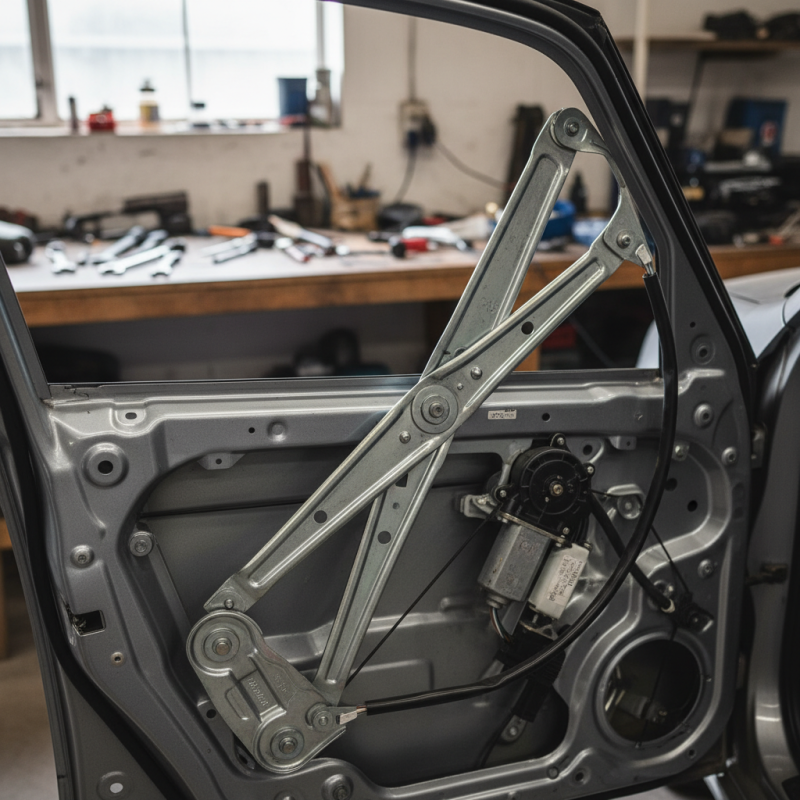
Understanding the mechanism of window regulators is crucial for diagnosing common issues that arise with front door windows. A window regulator is a mechanical device that controls the movement of the car window, allowing it to rise or descend smoothly. Typically, there are two types of window regulators: manual and power-operated. Manual regulators use a crank mechanism, while power regulators rely on an electric motor to enable window movement with the push of a button. This fundamental difference influences how each type may face various issues over time.

Common problems with window regulators stem from wear and tear due to the constant stress of operation. For manual systems, issues often arise from a broken crank handle or stripped gears, which hinder smooth movement. In the case of power-operated regulators, problems may include malfunctioning motors, frayed cables, or electrical issues leading to unresponsive windows. Understanding these mechanisms aids in identifying symptoms such as slow or jerky operation, or complete failure to open or close. Early detection of these issues can help prevent more extensive repairs, ensuring that windows operate as intended for safety and convenience.

Step-by-Step Guide to Diagnose Window Regulator Issues

Diagnosing window regulator issues can be a straightforward task if approached methodically. Initially, it is essential to understand the symptoms indicating a malfunction, such as unusual noises when operating the window, windows that move slowly or not at all, or a window that gets stuck in place. According to industry reports, approximately 15% of vehicle owners experience issues with their window regulators, making it a common concern among drivers. Often, the problem can stem from a failed motor, frayed cables, or even misaligned tracks.

To diagnose these issues effectively, start by visually inspecting the window and its components. Check for any visible damage to the window regulator or the associated wiring. Next, utilize a multimeter to test the power supply reaching the window motor. If there’s power but the window does not operate, the regulator is likely at fault. Additionally, examining the vehicle’s fuses can prevent overlooking common electrical issues. Reports suggest that about 30% of window regulator failures could be traced back to electrical problems, highlighting the importance of thorough checks in the diagnosis process. Following this step-by-step approach will ensure a comprehensive evaluation, allowing for proper identification and ultimately leading to effective solutions.

Top 10 Front Door Window Regulator Issues

This chart illustrates the frequency of common front door window regulator issues reported by vehicle owners. Understanding these problems can help in diagnosing and addressing window regulator failures effectively.

Effective Solutions for Common Window Regulator Problems

Top 10 Front Door Window Regulator Issues and Solutions You Must Know

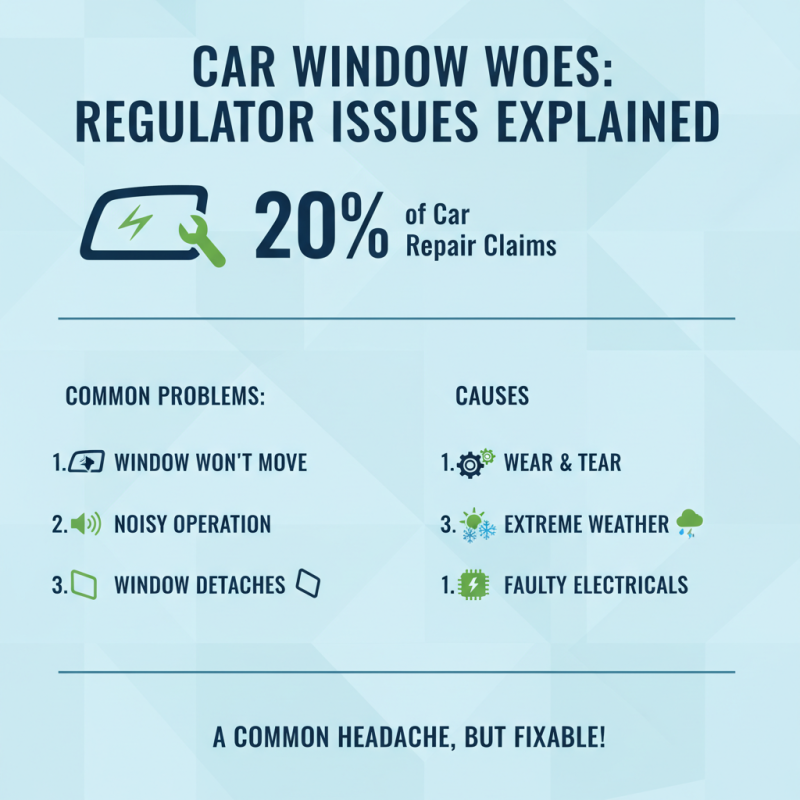
Window regulator issues are a common headache for vehicle owners. According to industry reports, nearly 20% of car repair claims are related to window regulator problems, highlighting their prevalence. Issues can arise due to various factors such as wear and tear from regular use, exposure to extreme weather, or faulty electrical components. The most frequent problems include windows that won't move, noisy operation, or windows that detach from the regulator system entirely.

To effectively address these window regulator problems, it's essential to know some practical solutions. First, regular maintenance can significantly extend the life of your window regulators. This includes lubricating the tracks and mechanisms to ensure smooth operation. If you notice a sluggish window, a simple cleaning of the window channels might resolve the issue. Furthermore, if electrical issues are suspected, checking the fuses and connections can save time and money on diagnostics.

**Tip:** Always inspect your window regulator during routine vehicle checks. Listen for unusual sounds and watch for slow movement as indicators of potential issues before they worsen. Additionally, keeping the window area free of debris can help prevent jamming and operational problems, ultimately ensuring a hassle-free driving experience.

Preventive Measures to Enhance Window Regulator Longevity

To ensure the longevity of window regulators, proactive maintenance and preventive measures are crucial. According to a study by the National Highway Traffic Safety Administration, improperly functioning window regulators account for nearly 30% of window-related vehicle issues reported annually. Regular inspections of the window mechanism can reveal early signs of wear and tear, allowing for timely intervention. This not only helps maintain operational efficiency but also saves costs associated with unexpected repairs.

Lubrication is another key aspect of extending the life of window regulators. Industry experts recommend using a silicone-based lubricant to minimize friction and reduce strain on the mechanical components. A report from Automotive Engineering International highlights that vehicles with well-lubricated window systems tend to experience fewer malfunctions, enhancing both safety and convenience for drivers and passengers alike. Additionally, keeping the window tracks clean and free from debris can significantly reduce the chance of jams and enhance the smooth operation of the regulators. Regular maintenance routines can lead to a better driving experience and prolong the functionality of vehicle windows.

Top 10 Front Door Window Regulator Issues and Solutions You Must Know

Issue Description Solution Preventive Measures
Sticking Window Window does not move smoothly up or down. Lubricate the window tracks and check for obstructions. Regularly clean and lubricate the window tracks.
No Power Window does not respond to controls. Check fuses and wiring connections. Inspect electrical connections periodically.
Slow Operation Window moves slowly up or down. Replace worn-out components in the window regulator. Frequent maintenance checks on the regulator.
Window Drop Window falls down unexpectedly. Inspect and possibly replace the window regulator. Replace weak components before failure.
Noise During Operation Grinding or rattling noise when operating window. Lubricate mechanisms or replace faulty parts. Regularly lubricate the window mechanism.
Misalignment Window does not align properly with the frame. Realign the window and adjust the regulator. Ensure proper installation during repairs.
Electrical Short Window controls malfunction due to wiring issues. Inspect and repair damaged wiring. Routine electrical system checks.
Complete Failure Window regulator stops working entirely. Replace the entire window regulator assembly. Conduct checks before extreme wear occurs.
Frozen Window Window gets stuck in cold weather. Defrost the window with a safe method. Keep window seals clean and in good condition.
Wear and Tear Regular usage leads to gradual failure of parts. Replace worn parts proactively. Adopt cautious operation habits with windows.