How to Choose the Right Window Lifter Motor for Your Needs?
Selecting the right Window Lifter Motor is crucial for vehicle performance and safety. A report by the Automotive Engineering Society emphasizes that the efficiency of window operations significantly affects the overall user experience. According to industry expert Dr. James Renfield, “Choosing the right window lifter motor can enhance both reliability and user satisfaction.”
Every car owner should understand the variety available in the market. Factors such as power consumption, durability, and noise levels play a role in the selection process. For instance, certain motors are designed for high-performance vehicles and operate quietly under heavy use. However, cheaper options might compromise on these aspects, leading to potential frustration over time.
Additionally, customers sometimes overlook the importance of compatibility. Not every motor fits every vehicle model. This is an area where misjudgments can lead to wasted expenses and time. A thoughtful approach to choosing a Window Lifter Motor is essential to avoid such pitfalls and ensure long-term satisfaction.
Understanding the Types of Window Lifter Motors Available
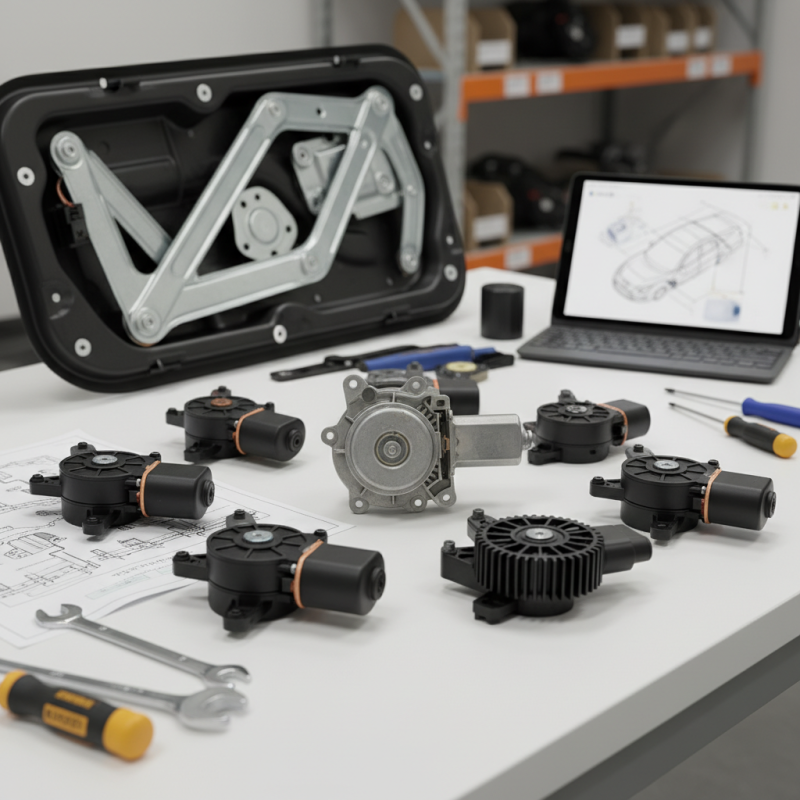
When exploring window lifter motors, it’s crucial to understand the different types available. There are primarily two categories: DC motors and stepper motors. DC motors are popular for their efficiency and ease of control. They provide smooth movement, making them ideal for standard window applications. However, they often require complex wiring for full functionality.
On the other hand, stepper motors offer precise control over movement. They are favored in applications needing exact positioning, such as in convertible car windows. While stepper motors can be more complicated to install, they excel in scenarios where accuracy is key. This makes them reliable for certain specialized uses but may not be necessary for a basic vehicle.
Choosing the right motor requires thoughtful consideration of your needs. Think about the weight of the window and the frequency of use. A heavier window may need a more robust motor. Analyzing the performance and compatibility is vital. Sometimes, what appears to be the best option may lead to unexpected challenges. Make sure to examine user experiences and gather insights to avoid overlooking any important details.
Factors to Consider When Selecting a Window Lifter Motor
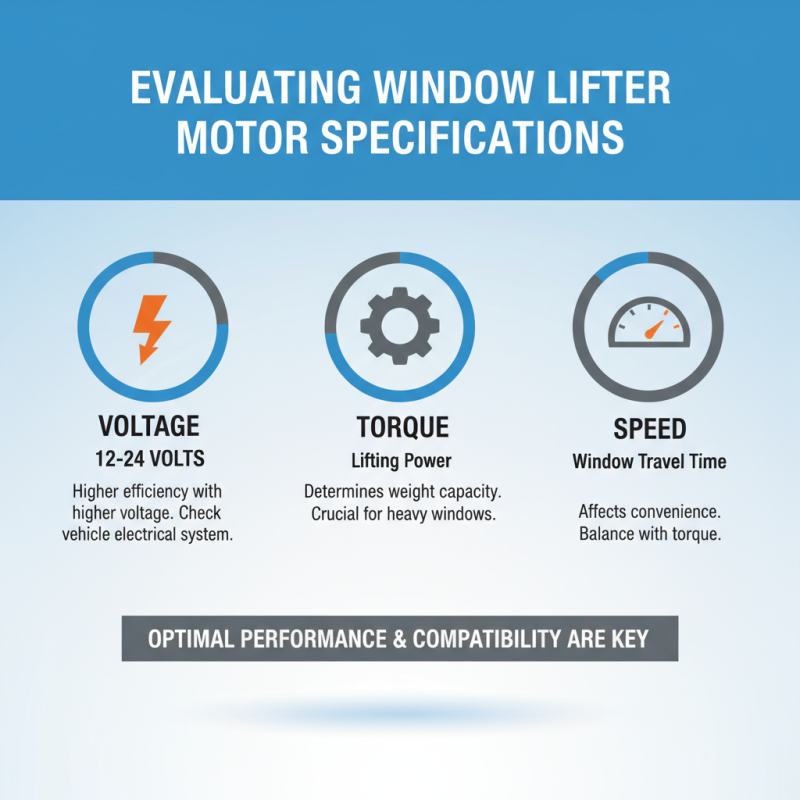
When selecting a window lifter motor, several factors come into play. Power output is critical. A motor with insufficient power might struggle to move heavier windows. In contrast, an excessively powerful motor can lead to rapid wear. The weight of your window should guide your choice of motor size.
Speed is another element to consider. If you prefer quicker operation, look for motors with higher RPM ratings. However, fast movements can cause abrupt stops, increasing wear. If pilot design matters, ensure the motor's speed complements the window design.
**Tips**: Always check the voltage requirements. A mismatch can lead to malfunction. Read user reviews carefully. They provide valuable insights into quality and reliability. Don't overlook the dimensions. A poorly sized motor won't fit properly.
Durability is vital. Ensure the motor has good build quality. Weather resistance is crucial for outdoor windows. Rain and dust can damage vulnerable components.
Reflect on installation ease as well. Complex systems may require professional help. Better options might exist if you're unsure about DIY setups. A little research goes a long way.
How to Choose the Right Window Lifter Motor for Your Needs?
| Factor |
Description |
Importance Level |
| Power Rating |
Determines the motor's lifting capabilities based on load. |
High |
| Durability |
Material quality and resistance to wear over time. |
Medium |
| Voltage |
Operating voltage requirements and compatibility. |
High |
| Size and Compatibility |
Physical dimensions and fit for the window type. |
High |
| Noise Level |
How quietly the motor operates during use. |
Medium |
| Temperature Tolerance |
Ability to function under various environmental conditions. |
Medium |
| Ease of Installation |
User-friendliness and complexity of the installation process. |
Medium |
Assessing Compatibility with Your Vehicle Model
Choosing the right window lifter motor involves careful consideration of compatibility with your vehicle model. Not all motors are created equal. Variations among vehicle designs can affect how a motor functions. It’s essential to verify that the motor matches your car’s specifications. This ensures optimal performance and a seamless fit.
To assess compatibility, start by checking the vehicle’s manual or contacting a trusted source. Look for details like the make, model, and year of your vehicle. These specifics are crucial when selecting a motor. If you're uncertain, consult with a mechanic or a specialist. They can provide invaluable insights and help you avoid costly mistakes.
Don't overlook the importance of quality. A cheaper motor might seem appealing, but it could lead to more problems. A poor fit can cause operational issues. It may lead to malfunctioning windows or even mechanical damage. Taking the time to find the right match pays off in the long run. Investing in a compatible motor enhances the reliability and safety of your vehicle's windows.
Tips for Installation and Maintenance of Window Lifter Motors
Choosing the right window lifter motor is just the beginning. Proper installation is essential for optimal performance. Start by ensuring you have all necessary tools and components ready. A secure connection is crucial. Misalignment can cause strain on the motor. Pay close attention to the positioning of wires. They should not interfere with moving parts.
Once installed, regular maintenance is key to longevity. Periodically check for any signs of wear or corrosion. No one wants unexpected failures. Lubricate moving components to ensure smooth operation. Be cautious; too much lubricant can attract dirt. Inspect the motor's connection points regularly to prevent loose wires.
These simple steps can make a significant difference. Every window lifter may require slightly different care. Don’t overlook unique manufacturer requirements. Understanding these nuances is essential. Reflecting on past installations can help improve future efforts. Embrace feedback from experiences to enhance your skills in this area.