How to Choose the Best Door System for Your Needs?
Choosing the right Door System can significantly impact both functionality and aesthetics in your space. According to a recent industry report by MarketsandMarkets, the global door system market is projected to reach $104.4 billion by 2027, reflecting a growing demand for innovative solutions. This growth is driven by the increasing need for security, energy efficiency, and personalized design in residential and commercial spaces.
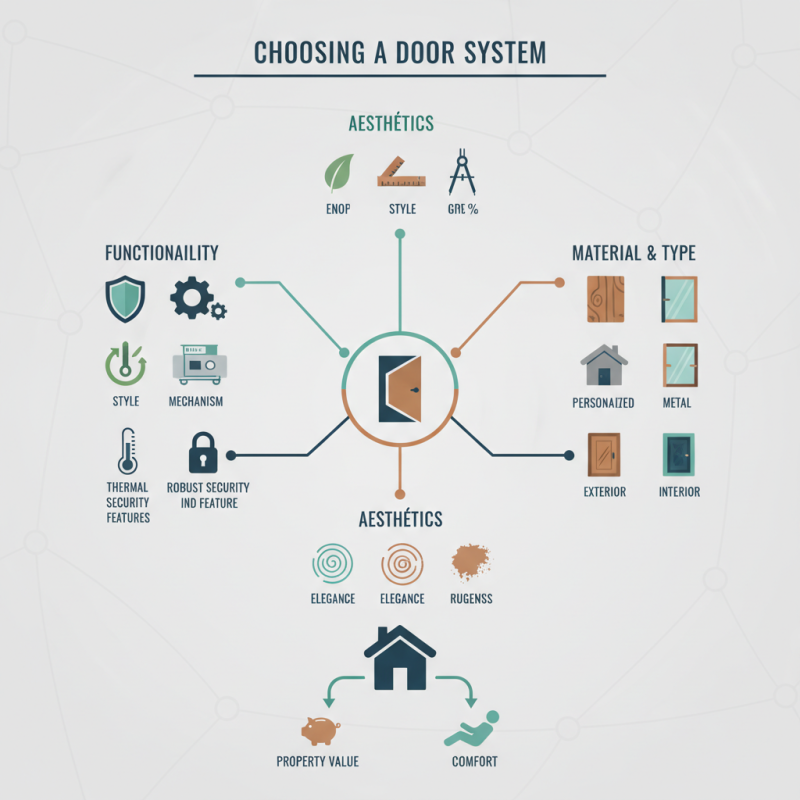
When selecting a door system, it's essential to consider various factors such as material, style, and functionality. Door systems are not just entry points; they influence the overall ambiance and energy efficiency of a building. A survey from the American Institute of Architects shows that 70% of architects prioritize sustainable features in their designs. However, many consumers overlook the importance of a door's thermal performance or security features, often leading to regrets down the line.
While aesthetics are vital, potential buyers must also focus on practical aspects. Different environments might require varied door systems, from rugged exterior doors to elegant interior options. It’s crucial to reflect on your specific needs and choices, as the right door system can enhance comfort and increase property value.
Types of Door Systems: Understanding the Options Available
Choosing the right door system can be overwhelming. There are several types of door systems available, each designed for different needs. Understanding these options can help simplify your decision-making process.
Sliding doors are popular for their space-saving design.
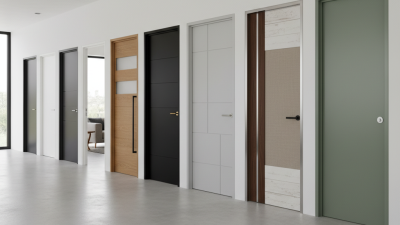
They glide smoothly on tracks, making them ideal for small areas. Accordion doors fold back in sections, which can also save space while offering a unique aesthetic. On the other hand, traditional hinged doors provide a classic look and are versatile for various styles.
Consider bi-fold doors for wider openings.
They can create a seamless transition between indoor and outdoor spaces. Another option is storm doors, which offer protection and insulation. Each type comes with its pros and cons, often related to cost and maintenance.
Reflecting on your specific needs is crucial.
Do you prioritize energy efficiency or aesthetics? Taking time to assess your preferences will lead to a better choice.
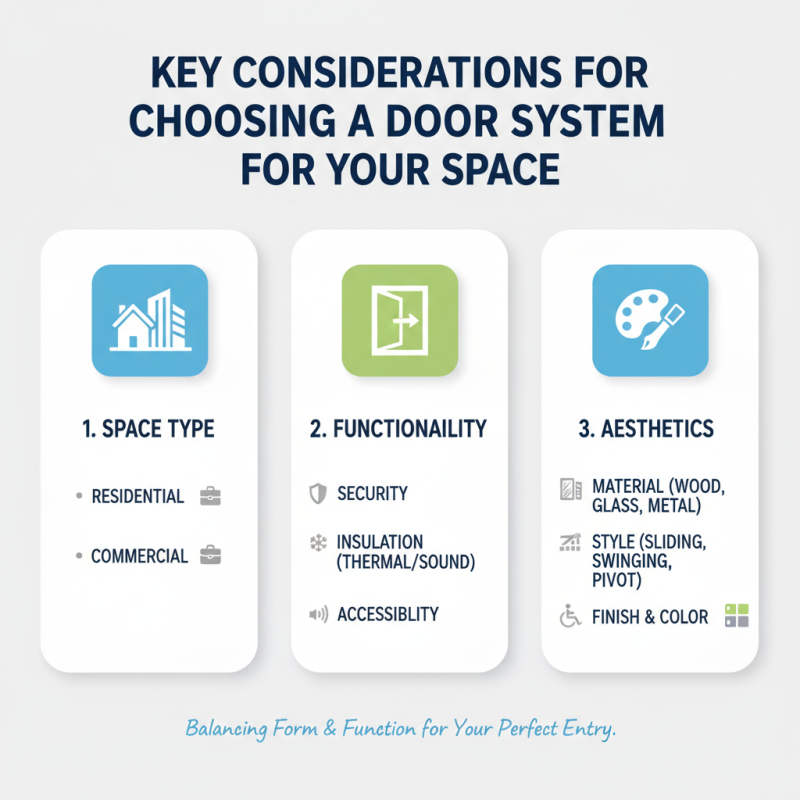
Key Considerations for Choosing a Door System for Your Space
Choosing the right door system for your space can seem overwhelming. It's crucial to consider specific aspects that impact both functionality and aesthetics. Begin by evaluating your space’s requirements. Is it residential or commercial? Different settings demand various door materials and styles.
*Tips: Think about daily use. A heavily trafficked area might require a sturdy door. A lightweight option may suit infrequent access.*
Next, consider the door's material. Wood, steel, and fiberglass each offer unique advantages. Wood doors provide warmth and character, while steel boasts durability. Fiberglass is an excellent option for insulation. Each choice influences maintenance and longevity.
*Tips: Always balance aesthetics with practicality. A beautiful door is not as effective if it cannot withstand the elements.*
Remember security features. Locks and reinforcements play a significant role in protecting your assets. Make sure to acknowledge safety standards while choosing. Reflect on the design flow of your space, ensuring the door complements existing features. Your choice should enhance the overall environment while meeting specific needs.
Assessing Your Budget: Cost Factors in Door Systems
When considering a new door system, budget plays a crucial role. According to industry reports, homeowners should budget between $500 to $2,500 for residential door systems. Costs can vary based on materials, styles, and installation. For example, fiberglass doors may cost slightly more due to their durability, while steel doors can provide added security at a lower price point.
Installation costs are often overlooked. Professional installation typically adds an additional $150 to $500 to the total cost. This is significant when comparing DIY options. However, mistakes in installation can lead to future expenses. Understanding these variables is essential for informed decision-making.
Hidden costs may arise from features like insulation or energy efficiency ratings. Doors with high Energy Star ratings can save homeowners about $200 annually on energy bills, according to the U.S. Department of Energy. Yet, this upfront investment can be daunting. Weighing initial costs against long-term savings is a complex task but crucial for maximizing value.
Material Matters: Selecting the Right Door Material for Durability
When selecting a door system, the material plays a crucial role in durability. Different materials offer distinct benefits and drawbacks. Wood doors provide warmth and classic elegance but can warp over time. Composite materials are more stable and resist moisture but may lack the visual appeal of natural wood.
Consider your climate and the door's exposure to elements.
Metal doors are another option. They are highly durable and resistant to impact. However, they may dent or rust under harsh conditions. Fiberglass doors are a great compromise. They mimic the look of wood while being resistant to wear. These materials require less maintenance but can be more expensive upfront.
Ultimately, personal preference and specific needs will guide your choice. Are aesthetics or longevity more important? Reflect on where the door will be placed. Will it face the sun or rain? The right selection can enhance your home’s durability and style.
Installation and Maintenance: What to Expect with Your Door System
When selecting a door system, installation and maintenance are critical factors. Proper installation ensures longevity. Professional installers often follow best practices to avoid common errors. According to industry data, homes with correctly installed door systems show a 30% higher energy efficiency. This attention to detail can save homeowners money on heating and cooling bills.
Expect regular maintenance to prolong the life of your door system. This typically includes checking hinges, weatherstripping, and locks. A report by the Home Improvement Research Institute indicates that neglected systems can suffer from a 20% decrease in performance over time. Regular inspections can prevent the cost of premature replacements.
Tips: Inspect your door annually. Look for any wear or damage. Lubricate moving parts to maintain smooth operation. Small investments in maintenance can yield significant returns, enhancing the safety and efficiency of your home. Consider documenting issues as they arise to identify patterns.