How to Choose the Best Window Regulator Motor for Your Needs?
Choosing the right Window Regulator Motor is crucial for your vehicle's functionality. An efficient motor ensures that your windows operate smoothly and reliably. Poor quality motors can lead to frequent malfunctions. This may compromise your safety and comfort during driving.
Several factors come into play when selecting a Window Regulator Motor. Understanding your vehicle's specifications is a vital first step. Compatibility with your vehicle model is essential. Additionally, it’s important to consider the motor's durability and performance ratings. Investing time in research can save you money in repairs later on.
Consumer reviews and expert opinions can offer valuable insights. These resources help gauge a product’s reliability. Remember, not every high-priced motor is the best choice. Comparing options based on features and warranties is important. Take your time to reflect on your needs. The right choice will enhance your vehicle's performance and your driving experience.

Understanding Window Regulator Motors and Their Functionality
Window regulator motors are essential components in modern vehicles, enabling the smooth operation of power windows. These motors convert electrical energy into mechanical energy, facilitating the movement of windows up and down. The performance of these motors directly impacts user convenience and safety. According to industry reports, approximately 30% of vehicle electrical issues relate to window regulator malfunctions. This highlights the necessity of understanding their functionality before making a purchase.
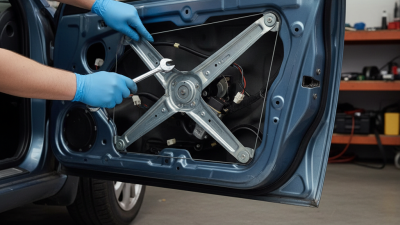
When choosing a window regulator motor, consider its design and material quality. High-quality motors often feature durable plastic gears instead of metal, reducing weight and enhancing performance. However, cheaper models may use lower-grade materials, leading to premature failure. Research indicates that a well-chosen motor can last over a decade, while subpar options may fail within just a few years. Additionally, installations are sometimes tricky, and improper fittings can result in noise or complete breakdowns.
It is important to emphasize that not all window regulators are created equal. Some may operate quietly, while others produce irritating noises. Hence, reading specific reviews and reports can guide users in selecting the right motor for their vehicle. Factors such as water resistance and heat endurance also play crucial roles. Ignoring these aspects may lead to frustrating experiences and unexpected repairs later.
Key Factors to Consider When Choosing a Window Regulator Motor
Choosing the right window regulator motor is crucial for vehicle functionality. Start by assessing the motor's compatibility with your vehicle's make and model. Many vehicles have specific requirements based on the model year. When purchasing, check detailed specifications to ensure a proper fit.
Another key factor is the power output of the motor. A stronger motor might offer better performance, especially in larger windows. However, higher power can sometimes lead to faster wear. Additionally, it's important to consider installation ease. Some motors come with complex wiring or fitting needs, which can add stress during installation.
Quality of materials matters too. Motors made from durable materials can withstand harsh conditions, extending their lifespan. Look for indications of quality from manufacturers. But beware of brands that promise too much. Always cross-reference user reviews. Experiences from other car owners can provide valuable insights but may also be somewhat biased or limited in scope.
Types of Window Regulator Motors and Their Applications
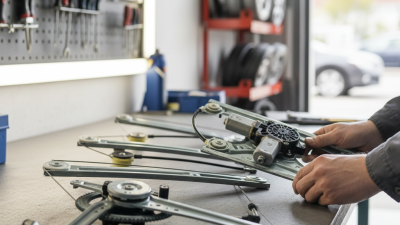
Window regulator motors play a crucial role in ensuring your vehicle's windows operate smoothly. There are typically two main types: cable-driven and gear-driven motors. Cable-driven motors are common in most modern cars. They use a cable system that offers a quieter operation and less mechanical wear. However, they can be more prone to issues if the cable frays or snaps.
Gear-driven motors, on the other hand, use a set of gears to raise and lower the window. These motors tend to be more robust and can handle heavier windows. Yet, they can be noisier during operation and may require more frequent maintenance. Both types serve specific applications, and the choice often depends on the vehicle design and window size.
When selecting the best motor, consider your needs. Evaluate how often you use the windows and the typical conditions they endure. It’s essential to be aware of potential challenges. For instance, a motor may function well initially but fail quickly under heavy use. Assess your priorities. Reliability and ease of installation can significantly impact your decision. Reflect on these factors to ensure a suitable choice.
How to Choose the Best Window Regulator Motor for Your Needs?
| Type of Window Regulator Motor |
Applications |
Advantages |
Disadvantages |
| Cable-driven Motor |
Used in many sedans and compact cars |
Cost-effective, lightweight |
Can wear out over time, maintenance required |
| Scissor Type Motor |
Common in SUV and pickup truck windows |
Strong, reliable for heavier windows |
Heavier, higher cost |
| Linear Actuator Motor |
Used in modern and luxury vehicles |
Precise control, quieter operation |
More complex, potentially higher failure rates |
| Concealed/Hidden Motor |
Applicable to custom vehicles and designs |
Aesthetic appeal, space-saving |
Difficult to access for repairs |
Tips for Ensuring Compatibility with Your Vehicle's Make and Model
Choosing the right window regulator motor is crucial for your vehicle's performance. Compatibility is key. Every make and model has different requirements. The wrong motor will cause issues, including malfunctioning windows. Knowing your vehicle's specifications is essential.
Start by researching your car's make and model. Each year can bring changes, even within the same model line. Get the correct part number from your vehicle's manual. Sometimes, this information is also available online. Check forums dedicated to your specific vehicle. Owners often share their experiences and advice. This can save you time and headaches.
Physical dimensions matter too. Measure the existing motor if possible. Ensure it matches the new one. Installing a motor that doesn't fit can lead to more problems. Look for online reviews and ratings. They provide insights into reliability. However, be cautious of overly positive reviews. Not every product works perfectly for all vehicles. Rely on experiences shared by real users. Trustworthy sources matter when making your choice.
Common Issues and Solutions for Window Regulator Motors
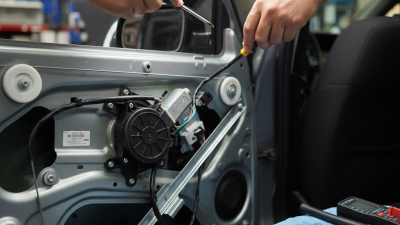
Window regulator motors often face common issues that can disrupt their functionality. One frequent problem is a failure to respond when the window switch is activated. This might be due to a blown fuse or a faulty switch. Checking these components can often resolve the issue quickly. However, it’s important to test the motor directly. A simple multimeter test can reveal whether the motor receives power.
Another common issue is the window getting stuck or moving slowly. This may stem from dirt or debris in the channel, affecting movement. Regular lubrication of the window tracks can help prevent this. If the motor itself is worn out, it may require replacement. Signs like grinding noises during operation indicate the need for further inspection.
Lastly, misalignment of the window can also occur, leading to gaps or leaks. Adjusting the mounting brackets might restore functionality. Engaging professionals can simplify complex problems. It’s essential to understand these issues when choosing a window regulator motor. Reflections on previous experiences in troubleshooting can enhance your understanding and decision-making in replacements.