China Top Grille Active Shutter Manufacturers Guide
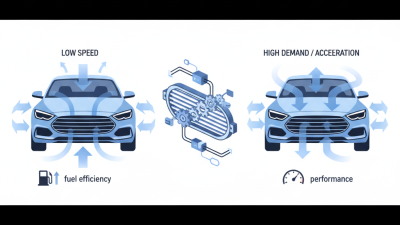
The China Top Grille Active Shutter Manufacturers Guide examines a small component with measurable aerodynamic influence. A Grille Active Shutter closes behind the front grille when cooling demand decreases. This reduces unnecessary airflow through the engine bay.
The International Energy Agency reported that global electric car sales exceeded 14 million units in 2023. Meanwhile, the U.S. Department of Energy continues to identify aerodynamic drag as a major vehicle-efficiency factor. These findings explain why manufacturers increasingly study airflow control, even in hybrid and internal-combustion platforms. MarketsandMarkets also identifies active grille shutters as a growing automotive thermal-management technology.
The details matter.
A supplier’s quality cannot be judged from a catalog photograph. Buyers should examine actuator response, sealing performance, operating temperature, vibration resistance, and communication compatibility. A shutter that saves drag but opens too slowly may create cooling risks. A lightweight design can still fail after repeated winter cycles, road salt, and stone impact.
Automotive aerodynamics specialist Dr. Andreas Wuppinger has stated, “Cooling air is never free; it carries an aerodynamic cost.” That principle remains useful when comparing Chinese manufacturers, although it should not replace independent testing.
This guide evaluates production experience, engineering capability, validation methods, material selection, and export reliability. It also considers less visible evidence, including prototype support and after-sales communication. Some supplier claims may sound impressive. They still require verification.
The market is advancing quickly, but the comparison process is imperfect. Real vehicle data often matters more than polished specifications. Readers should therefore treat this guide as a practical starting point, not a final purchasing decision.
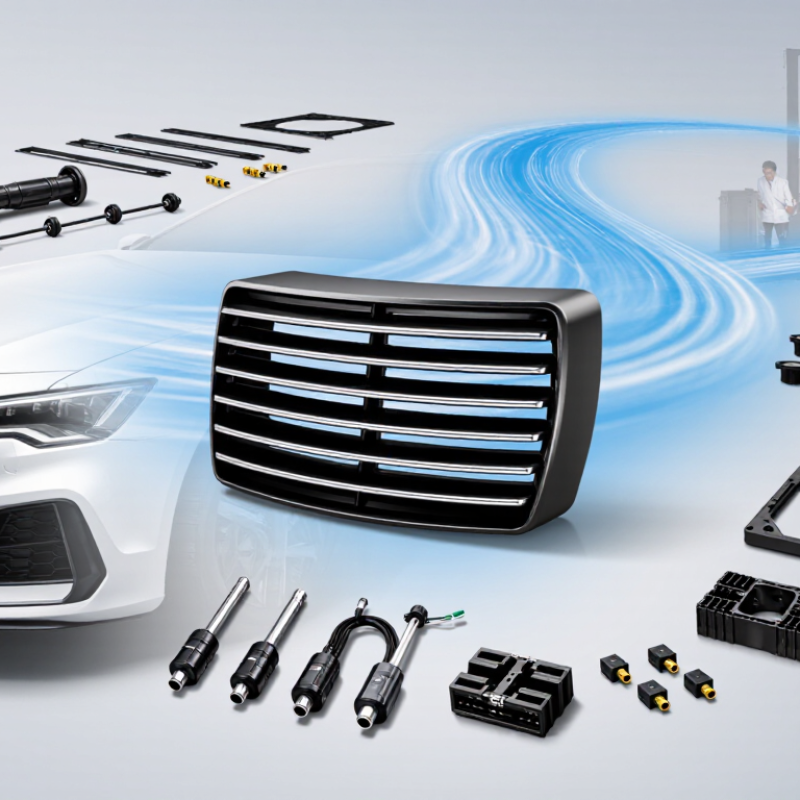
Active Grille Shutters: Definition, Structure, and Vehicle Applications
Active grille shutters are adjustable panels behind a vehicle’s front grille. They open or close according to cooling and airflow demands. During cold starts, closed shutters reduce air resistance and help the engine reach operating temperature sooner. At higher speeds, they may close again to improve aerodynamic efficiency. When temperatures rise, they open and direct air toward the radiator, condenser, or battery cooler.
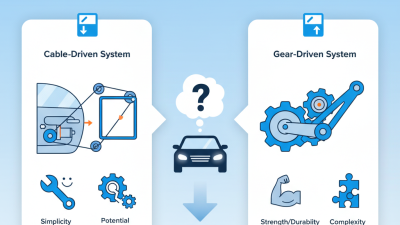
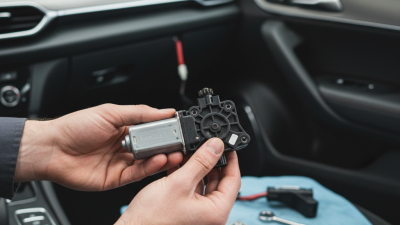
The structure usually includes lightweight blades, a frame, an electric actuator, position sensors, and control software. Materials must resist water, road salt, vibration, and repeated temperature changes. In practical testing, technicians check movement at freezing temperatures and after dust exposure. A fail-safe position is important. Yet, shutter performance is not always predictable in heavy traffic. Calibration still needs careful review.
Tips: Compare actuator torque, sealing quality, blade stiffness, and response time. Ask for durability records, airflow data, and vehicle-specific validation. Do not judge a manufacturer by appearance alone. A quiet mechanism can still hide weak hinges or poor software control.
These systems appear in passenger cars, hybrid vehicles, electric vehicles, vans, and performance models. Conventional vehicles use them mainly for radiator cooling and fuel efficiency. Electric vehicles use them around battery, motor, and power-electronics cooling systems. For buyers evaluating China-based grille shutter manufacturers, consistent dimensions and communication matter. Small alignment errors can create noise, leakage, or uneven airflow. The best design is not always the most complex one.
Active Grille Shutters: Vehicle Applications and Thermal-Management Priorities
Active grille shutters are electronically controlled aerodynamic panels positioned behind or within a vehicle grille. They close at low cooling demand to reduce aerodynamic drag and improve warm-up, then open when additional airflow is required. The chart compares the main thermal-management priorities typically associated with internal-combustion, hybrid, and battery-electric vehicle architectures.
China Manufacturer Ranking: IATF 16949, ISO 9001, and OEM Supply Records
China Top Grille Active Shutter Manufacturers Guide
A reliable ranking should examine more than product photos or factory size. IATF 16949 indicates disciplined automotive quality management, while ISO 9001 supports broader process control. Review the certificate scope, issuing body, validity dates, and covered production site. A certificate can look impressive. Details matter more.
OEM supply records provide stronger evidence of practical experience. Ask for anonymized project histories, production volumes, delivery performance, and supported vehicle programs. Check whether the manufacturer manages PPAP files, control plans, material traceability, and change approvals. During a factory visit, inspect shutter assembly stations, end-of-line testing, and packaging protection. These details reveal daily capability.
Look for measurable records.
A dependable supplier should explain grille shutter testing under vibration, temperature changes, moisture, and repeated operation. Request sample inspection reports, corrective-action records, and evidence of mold maintenance. Smaller suppliers may offer flexible engineering support, but their documentation can be uneven. That weakness deserves honest review, not automatic rejection. Confirm capacity using recent orders, staffing levels, equipment lists, and realistic lead times. A ranking based on certifications, verified OEM history, process transparency, and production evidence is more useful than one based on marketing claims.
Supplier Verification: PPAP, DV/PV Testing, and 1,000-Hour Durability Data
China Top Grille Active Shutter Manufacturers Guide
Selecting a top grille active shutter manufacturer in China requires more than a polished sample. A supplier should provide traceable PPAP records, not only presentation slides. Ask for process flow charts, control plans, material certificates, and measurement reports. The PPAP package should identify drawing revisions, special characteristics, reaction plans, and approval signatures. Review sample parts against the released drawing. Small gaps matter.
DV testing should prove design performance before production tooling is locked. Check airflow control, actuator response, noise, temperature cycling, vibration, dust, water ingress, and ice exposure. PV testing should use production-intent parts, tools, software, and assembly conditions. Request test dates, equipment calibration records, sample identification, and failures with corrective actions. A pass statement without raw data is weak evidence. It happens.
For 1,000-hour durability, request the complete test profile, cycle frequency, load conditions, and inspection intervals. The report should show opening torque, response time, current draw, seal condition, and fault history. Ask whether testing included repeated thermal shocks and contamination similar to road use. Independent laboratory involvement can improve confidence, but it does not replace factory process audits. Visit the line if possible. Observe incoming inspection, end-of-line testing, traceability labels, and rework control. No supplier is perfect. A transparent supplier admits test anomalies and explains containment, root cause, and verification. This evidence supports a more reliable sourcing decision.