Top 10 Benefits of Electric Lift Actuators for Your Projects?
Electric Lift Actuators are transforming various industries. These devices offer numerous benefits that can enhance project efficiency. As technology advances, they have become more common in engineering and manufacturing applications. Their ability to provide precise movement is a game changer.
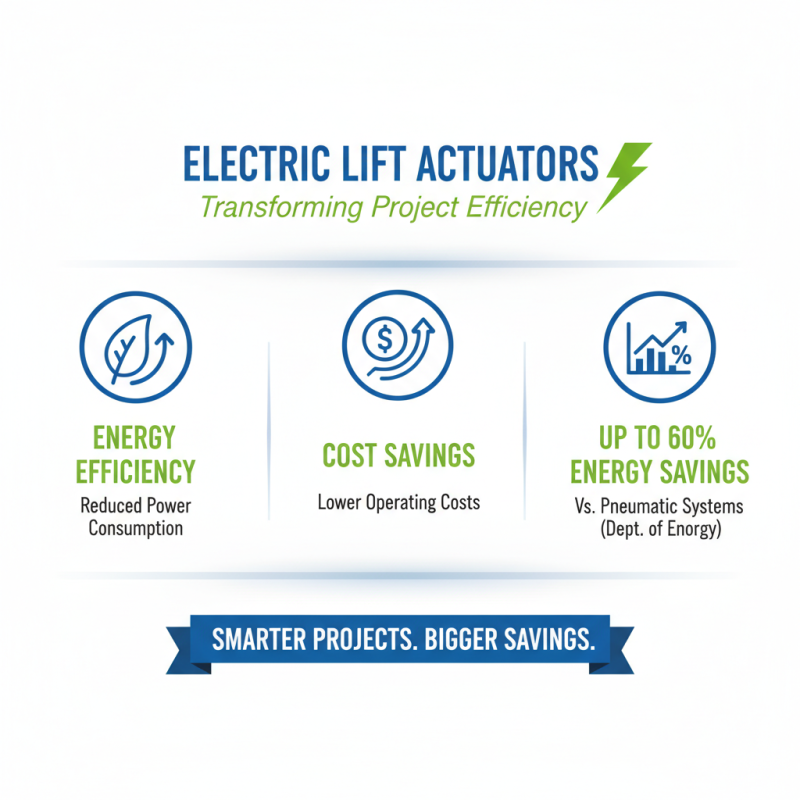
One major advantage is their energy efficiency. Unlike traditional systems, Electric Lift Actuators consume less power. This can lead to significant cost savings over time. They also tend to require less maintenance. Fewer moving parts mean less wear and tear. This is appealing for projects that demand reliability.
However, it's important to consider potential challenges. Some users may struggle with integration into existing systems. Understanding specifications is crucial for optimal performance. Not all projects require Electric Lift Actuators, and careful assessment is needed. Balancing benefits with these considerations is essential for successful implementation.
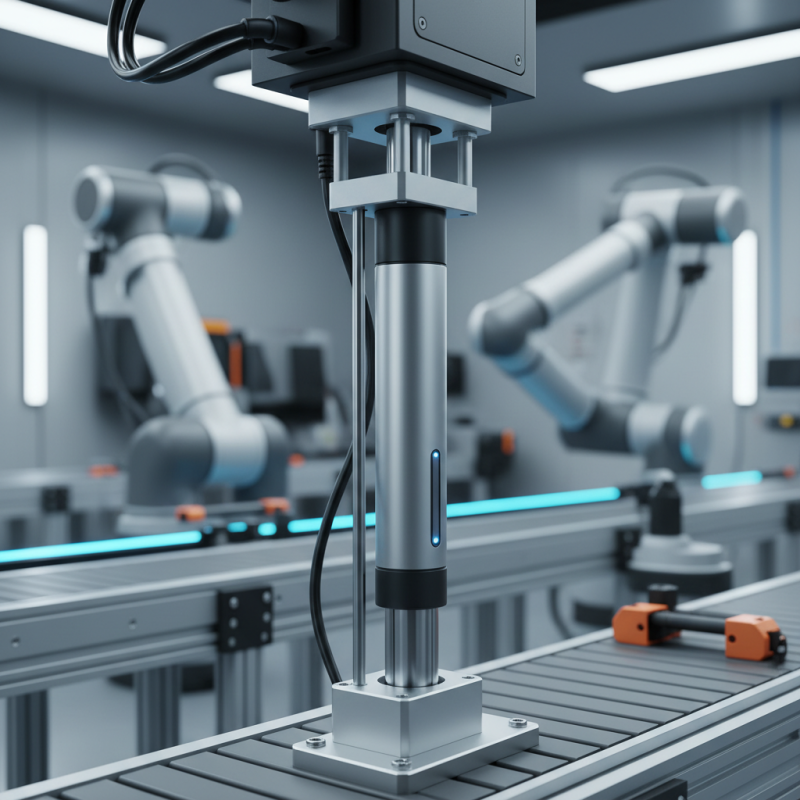
Advantages of Electric Lift Actuators over Traditional Mechanical Systems
Electric lift actuators offer numerous advantages over traditional mechanical systems. One significant benefit is their efficiency.
According to industry reports, electric actuators can achieve energy savings of up to 70% compared to hydraulic systems. This efficiency translates to reduced operational costs. Additionally, electric actuators require less maintenance, leading to lower long-term expenses. Fewer moving parts mean fewer chances for mechanical failure.
Tips: Consider the power source when selecting electric actuators. Ensure that the voltage and current specifications match your project requirements. Proper matching can enhance performance and lifespan.
Another key advantage is precision control. Electric lift actuators can achieve high levels of accuracy in positioning.
Industry studies indicate that they can maintain tolerances of ±0.01 inches. This precision is crucial in applications like robotics and automation. Moreover, electric systems are much quieter than their mechanical counterparts.
The noise reduction can improve working environments significantly.
Tips: Evaluate the load capacity before installation. Using actuators beyond their rated capacity may lead to unexpected performance issues. Always refer to manufacturer guidelines for optimal use.
In some scenarios, transitioning to electric systems may pose challenges. Initial costs can be higher, and retrofitting existing systems may require engineering adjustments. These factors warrant consideration during project planning.
Nevertheless, the long-term benefits of efficiency, precision, and lower maintenance can outweigh these early hurdles.
Precision Control: How Actuator Specifications Enhance Project Outcomes
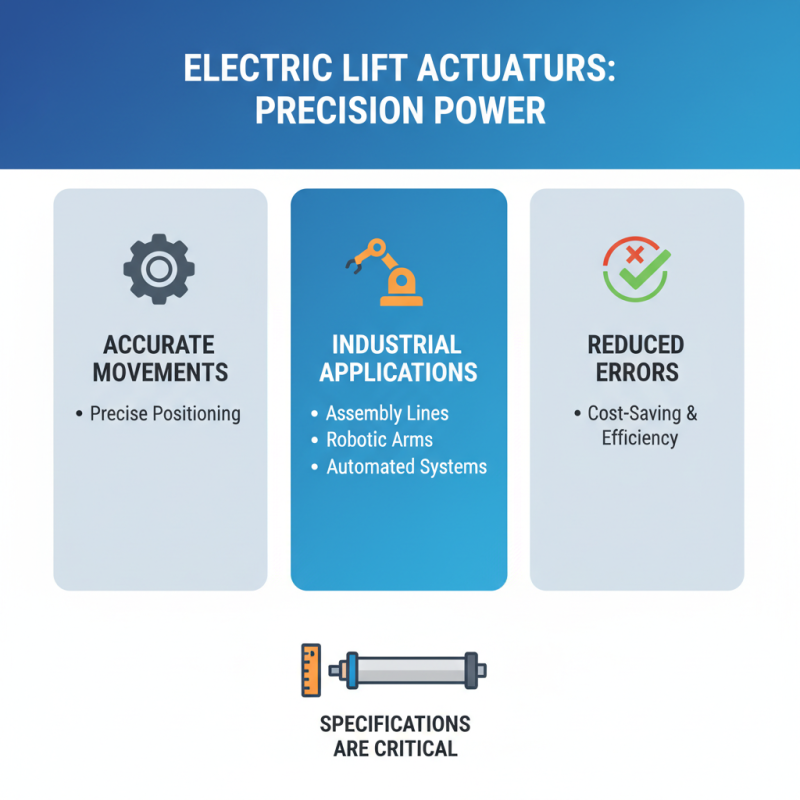
Electric lift actuators provide significant advantages in various projects, particularly through precision control. By utilizing precise specifications, these devices enable accurate movements and positions. This can be crucial in applications such as assembly lines, robotic arms, and automated systems. A small error in positioning could lead to costly mistakes or delays. Therefore, understanding actuator specifications is critical.
The right actuator can enhance project outcomes. For example, a precisely calibrated actuator can maintain consistent speeds and positions. This reliability translates to improved efficiency and reduced downtime. However, selecting the wrong specifications can lead to inefficiencies. Engineers must consider load capacities and response times. Ignoring these factors may cause operational issues. Testing different configurations can help identify the best fit for each project.
In some cases, teams overlook the importance of thorough research on actuator types. Each type has unique attributes that may not suit every application. A project requiring high torque may struggle with an actuator designed for speed. Aiming for the right balance is key. Reflection on past projects can reveal missteps, offering learning opportunities for future designs.
Longevity and Reliability: Industry Statistics on Actuator Lifespan
Electric lift actuators offer impressive longevity and reliability, factors crucial for any project. Industry statistics reveal these actuators can operate effectively for over a decade with minimal maintenance. In many cases, they survive under harsh conditions, making them a reliable choice for diverse applications. This durability is often attributed to their simple design, which reduces the risk of mechanical failure. Users often report that these actuators maintain performance levels even after years of usage.
However, not all actuators are created equal. Some may fail to meet lifespan expectations. It’s essential to choose wisely based on project needs. The environment plays a pivotal role in an actuator’s performance. For example, exposure to extreme temperatures or moisture can lead to a shortened lifespan. Understanding these factors helps enhance reliability. Regular monitoring can also make a difference. Tracking usage patterns and wear can prevent unexpected downtimes. Users should be ready to adapt to these insights for better performance over time.
Top 10 Benefits of Electric Lift Actuators for Your Projects
| Benefit |
Longevity (Average Lifespan in Years) |
Reliability (% Operational per Year) |
Maintenance Frequency (Once Every X Years) |
| Energy Efficiency |
15 |
99 |
5 |
| Precision Control |
20 |
98 |
6 |
| Safety Features |
18 |
97 |
4 |
| Versatile Applications |
22 |
96 |
3 |
| Low Noise Operation |
15 |
99 |
5 |
| Compact Design |
17 |
95 |
6 |
| Environmentally Friendly |
20 |
98 |
4 |
| Quick Installation |
16 |
97 |
5 |
| Cost-Effective Solution |
19 |
96 |
3 |
| Remote Operation |
21 |
95 |
5 |
Versatility in Applications: Case Studies Across Different Sectors
Electric lift actuators have become essential in various sectors. Their versatility enables use in many applications, from manufacturing to healthcare. In construction, they assist in moving heavy materials. In medical equipment, they elevate and adjust devices. These real-world applications highlight their importance across industries.
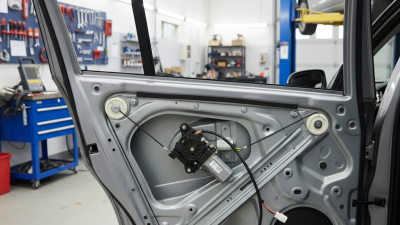
In automotive manufacturing, electric lift actuators streamline assembly lines. They ensure precision in tasks like lifting car parts. This automation increases efficiency but relies on robust designs. A single failure can halt operations. Thus, regular maintenance tips can prevent costly downtime.
Healthcare equipment benefits from electric lift actuators too. They help adjust hospital beds and wheelchairs with ease. This enhances patient comfort and reduces staff strain. However, improper installation can lead to malfunctions. Always consult experts during setup. Understanding the implications of your design choices is key.